Pashtoon Culture
Language 🗣️
Pashto, the melodious and deeply expressive tongue of the Pashtoon people, is not merely a means of communication — it is a living treasure of history, poetry, and pride. Rooted in ancient times, Pashto carries within its words the courage of warriors, the wisdom of elders, and the tenderness of lovers. Its verses have been sung in the mountains, whispered in desert winds, and etched in the hearts of generations. Rich in proverbs and poetry, Pashto reflects the values of hospitality, honor, and resilience that define the Pashtoon spirit. To speak Pashto is to inherit a legacy — one that binds the past to the present and keeps alive the soul of an enduring culture.
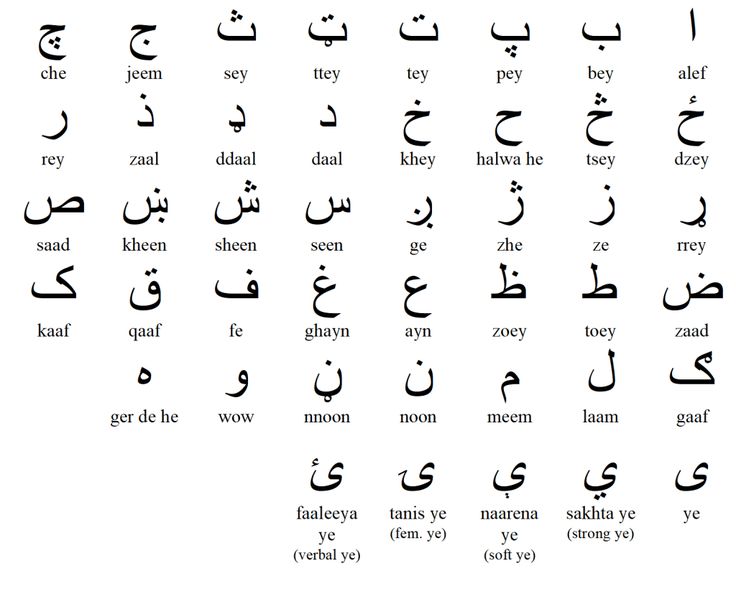
Pashto Alphabets
Traditional Dress 👕
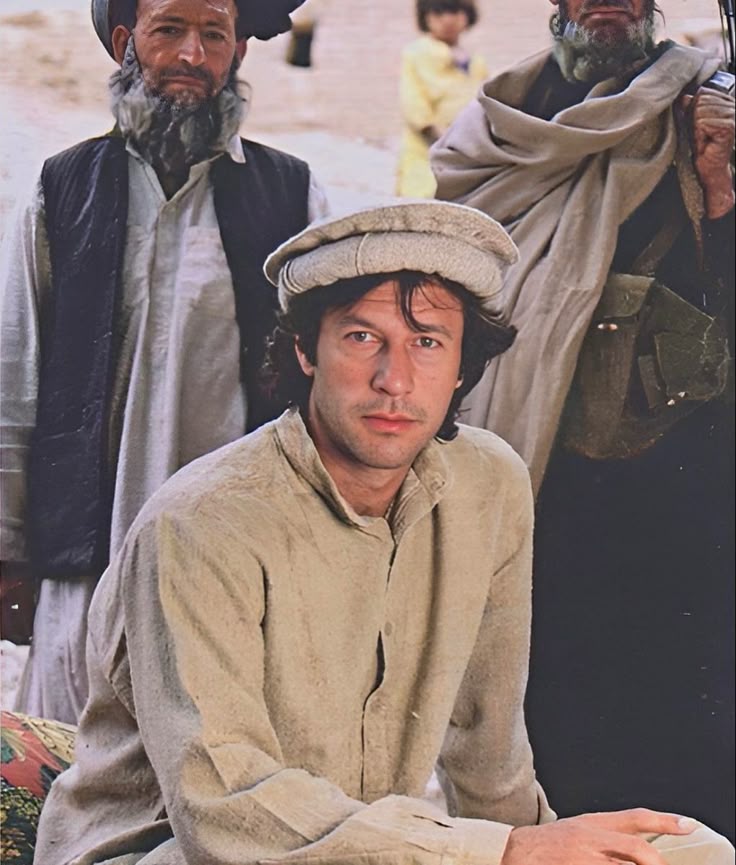
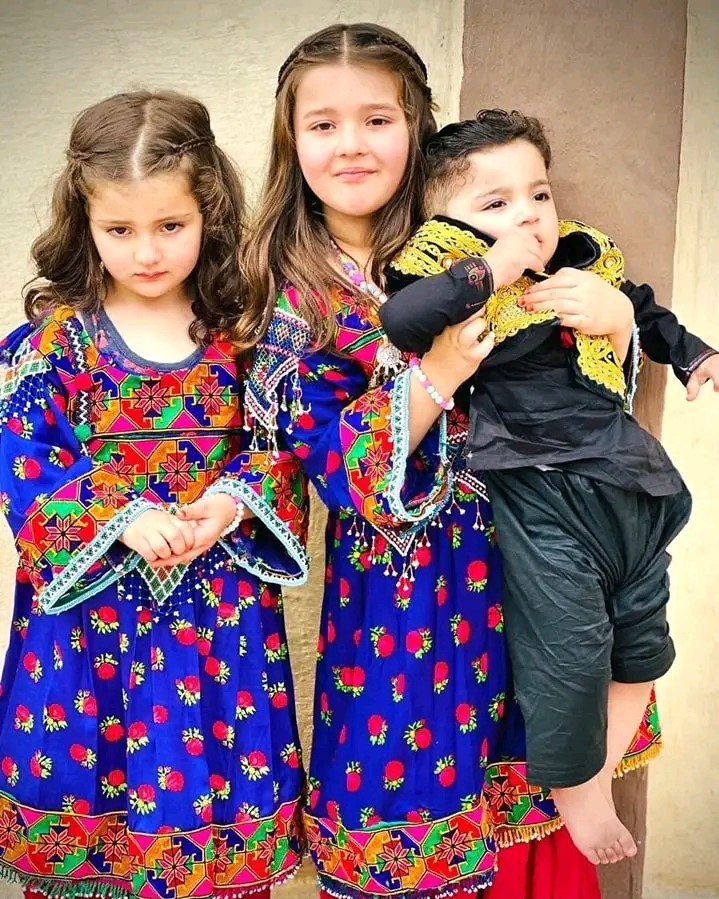
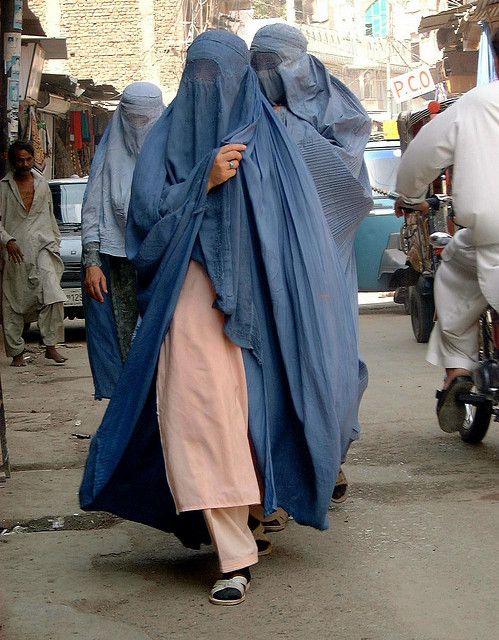
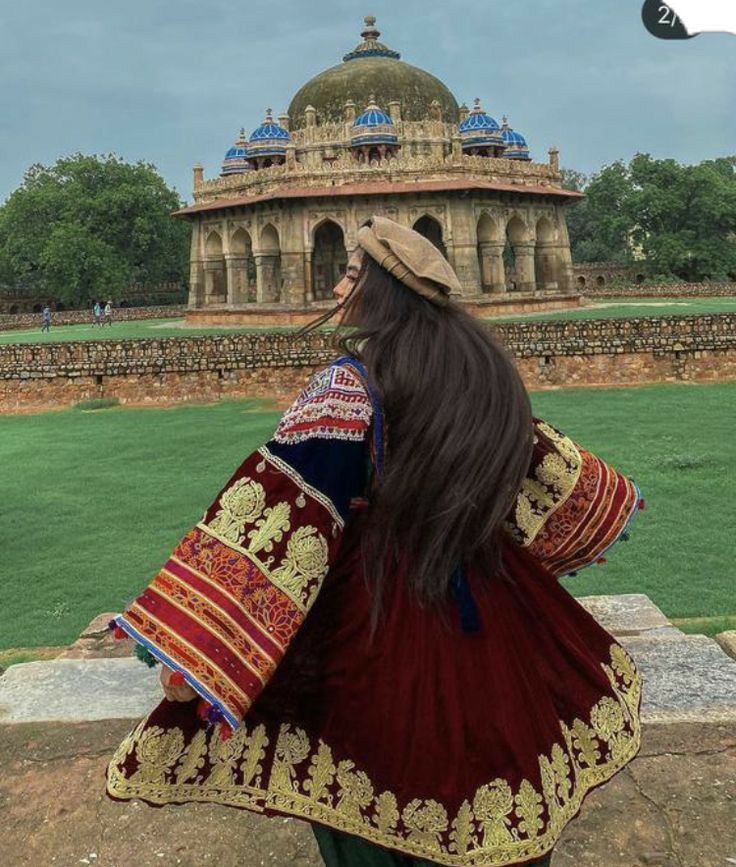
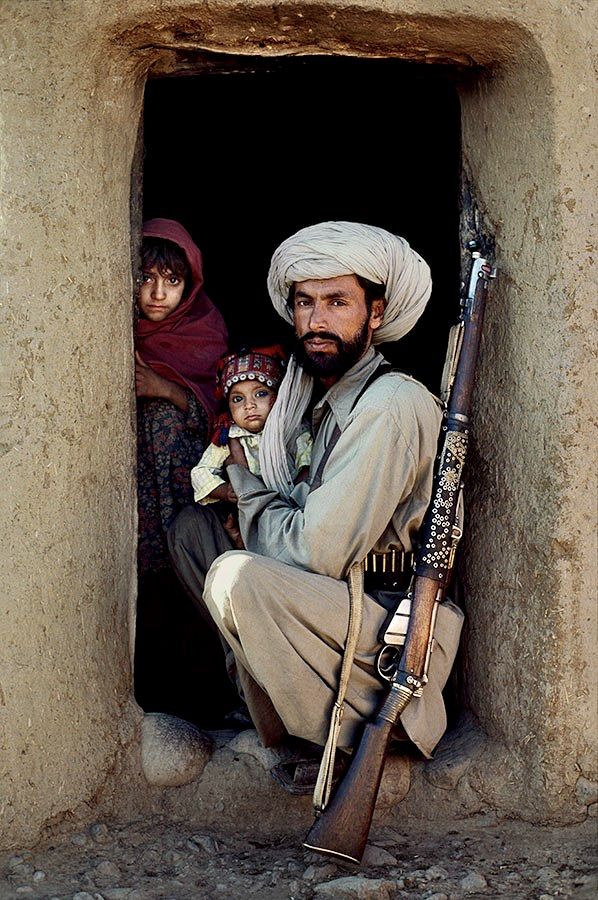
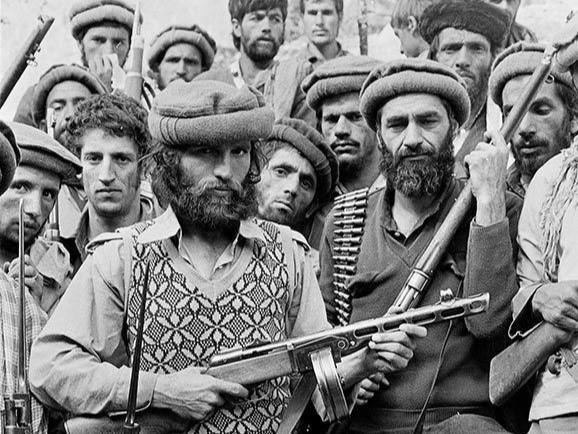
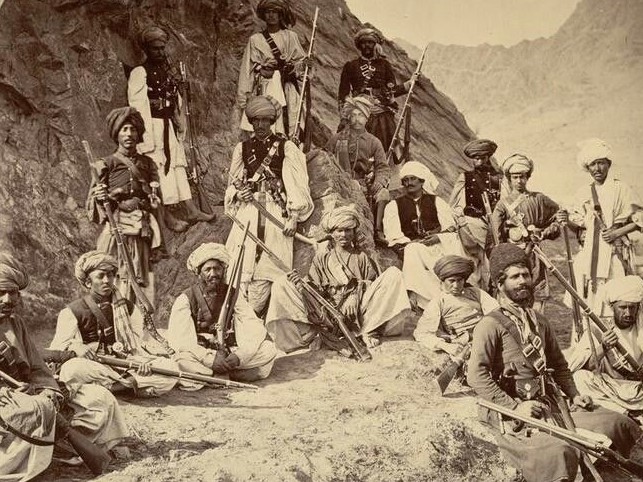
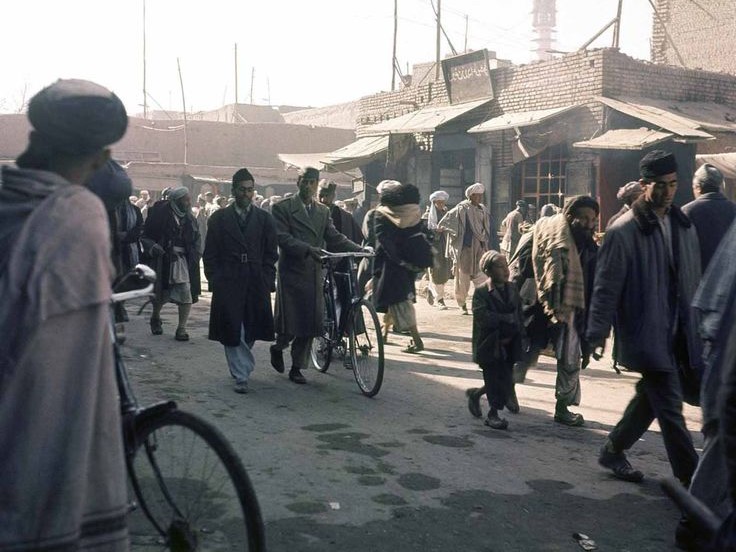
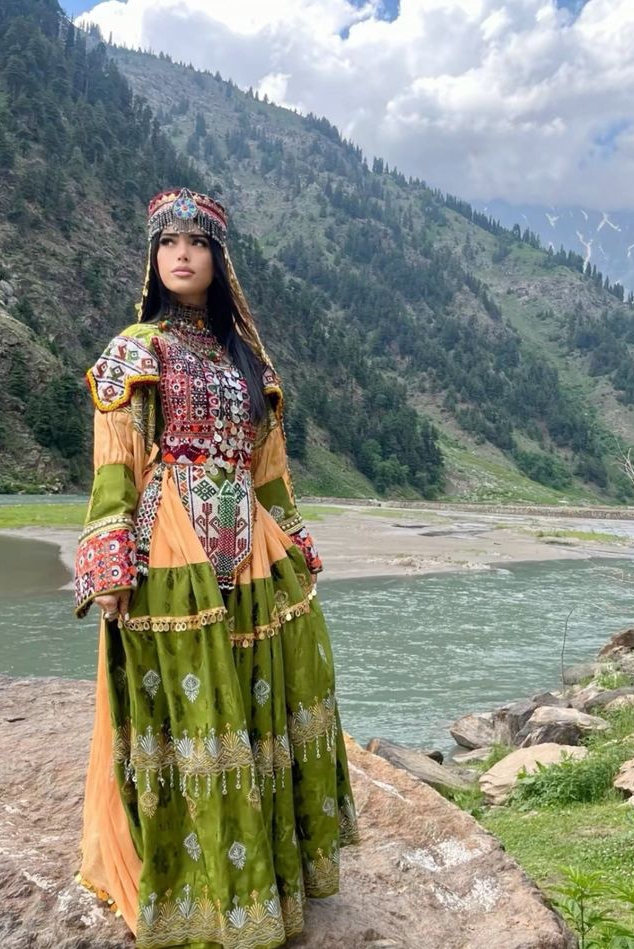
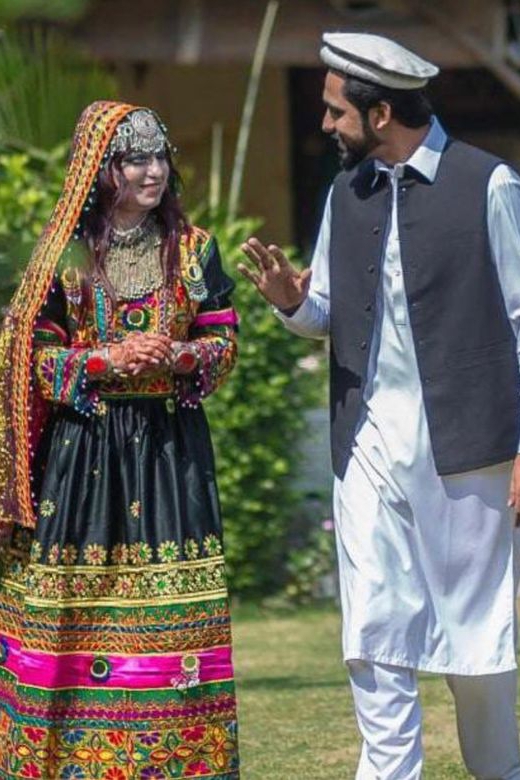
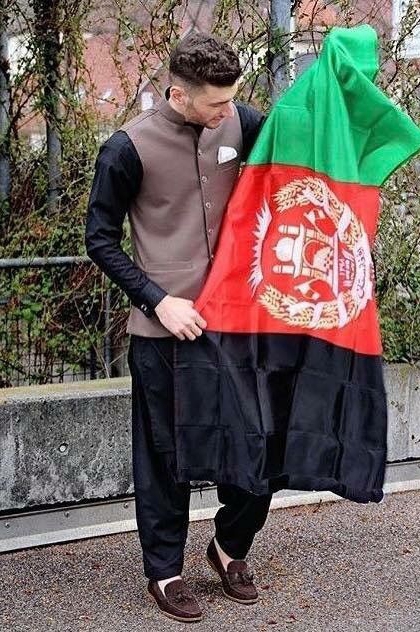
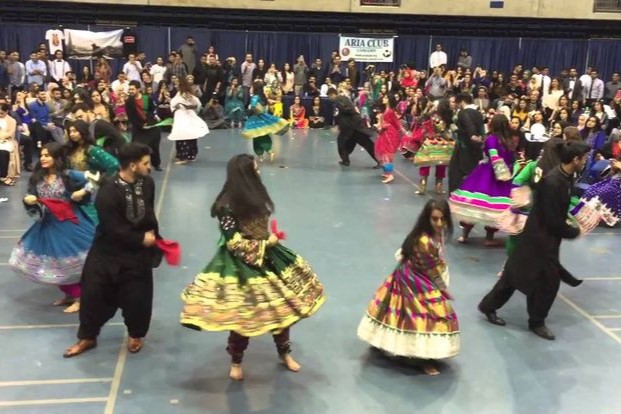
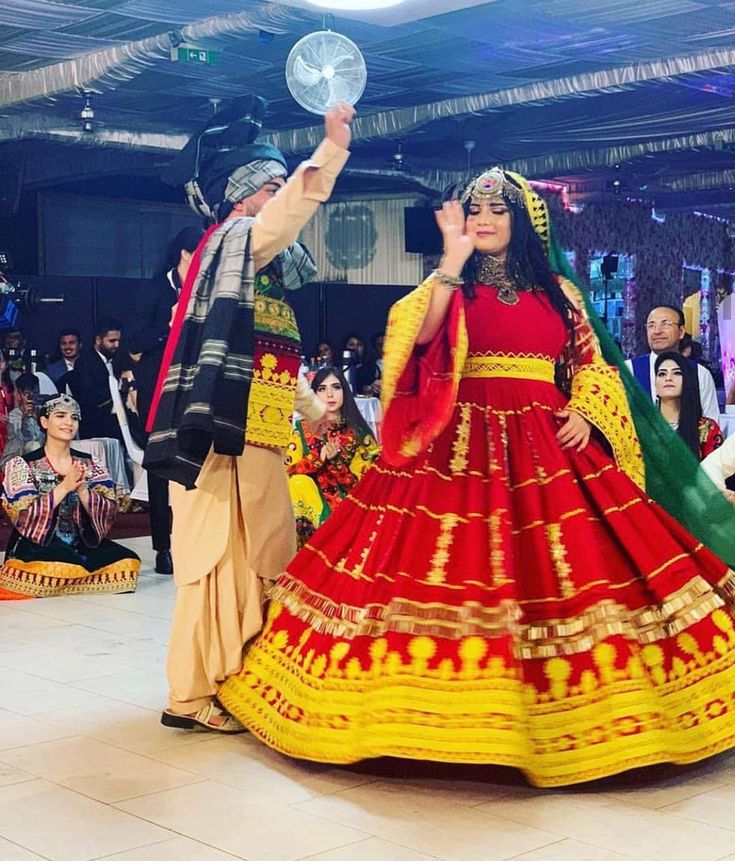
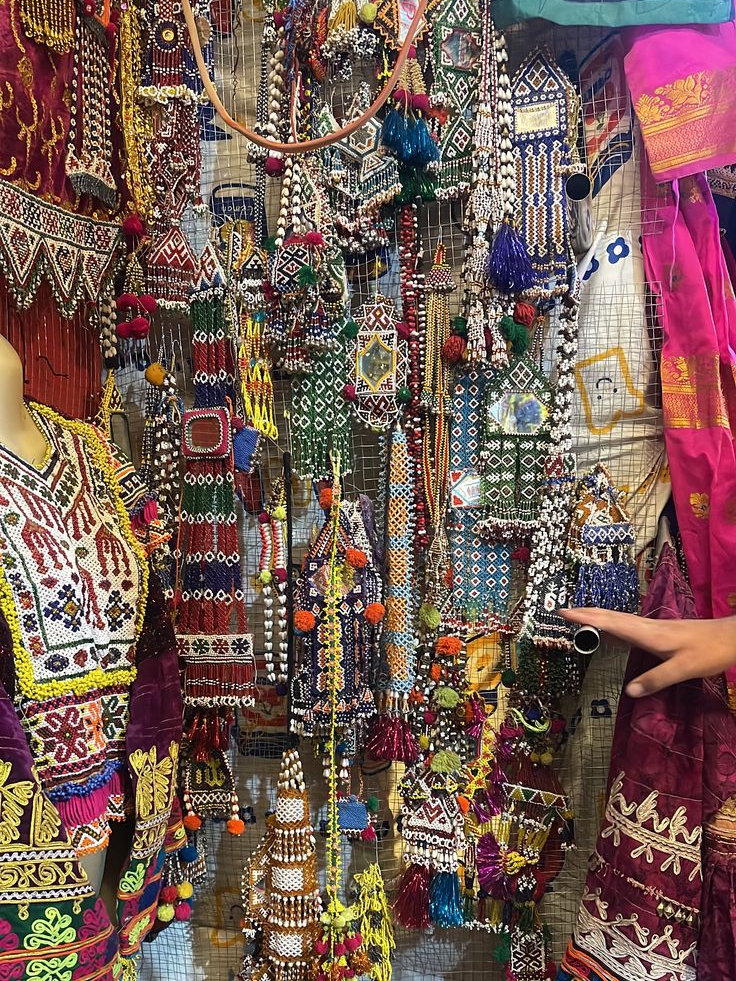
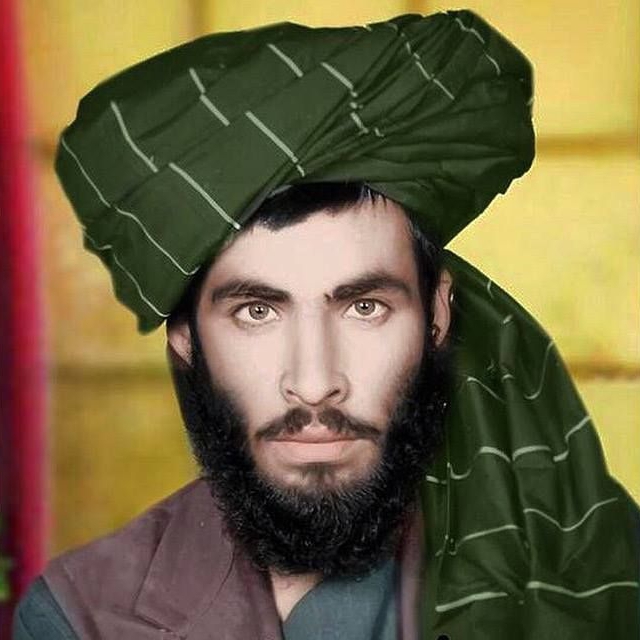
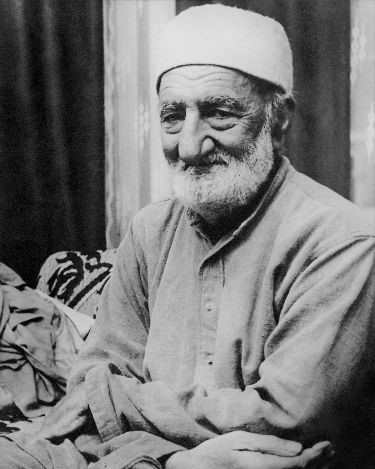
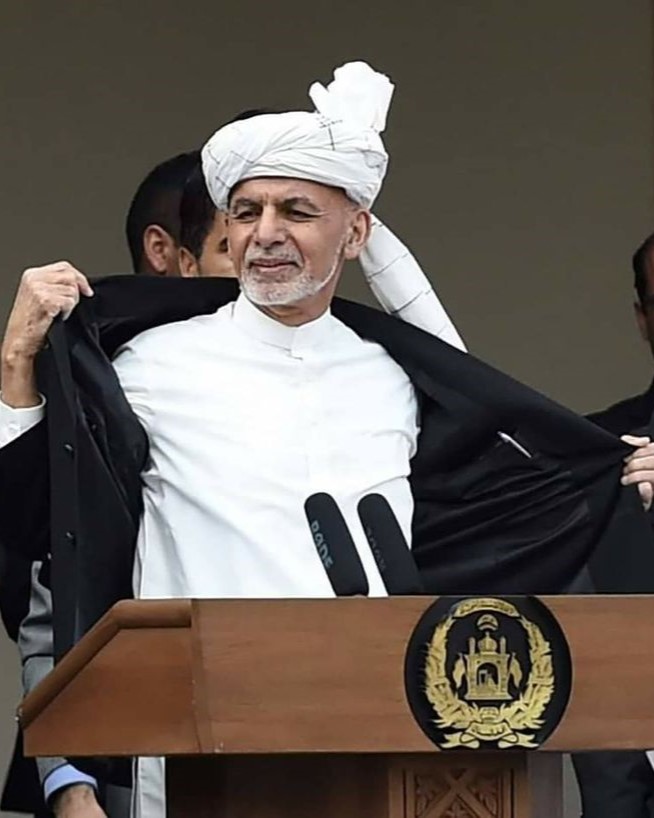
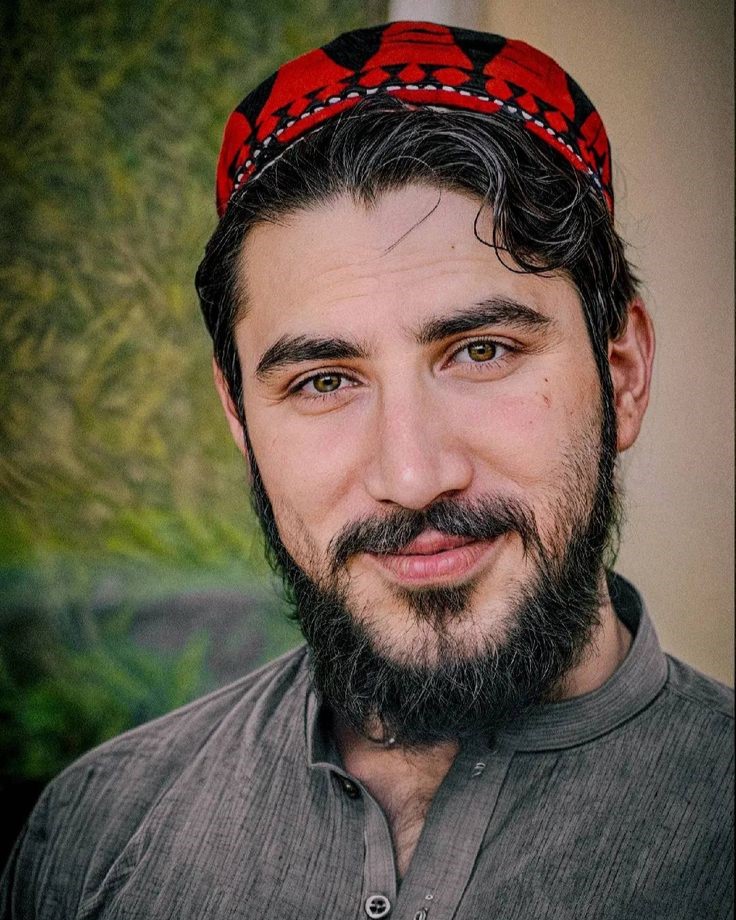
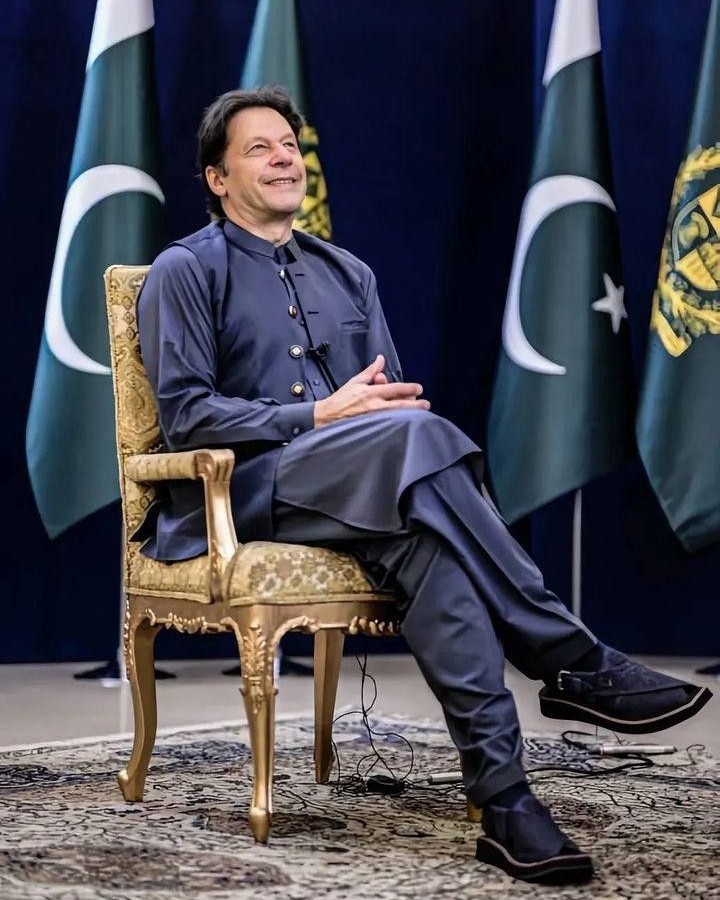
The traditional dress of the Pashtoons is a timeless reflection of their identity, culture, and pride. For men, the Perahan Tunban — a loose, flowing shirt paired with comfortable trousers — symbolizes simplicity and dignity, often complemented by a turban or Pakol as a mark of respect and honor. Women’s attire is a vibrant expression of Pashtoon artistry, adorned with colorful embroidery, delicate beadwork, and mirrors that catch the sunlight like fragments of tradition. Every stitch tells a story, and every color carries meaning — from the deep reds of celebration to the calm blues of everyday life. Worn with grace in the mountains, valleys, and bustling bazaars, Pashtoon clothing is more than fabric; it is a living emblem of heritage, passed down through generations like a cherished heirloom.
Hospitality (Melmastia) 🤝
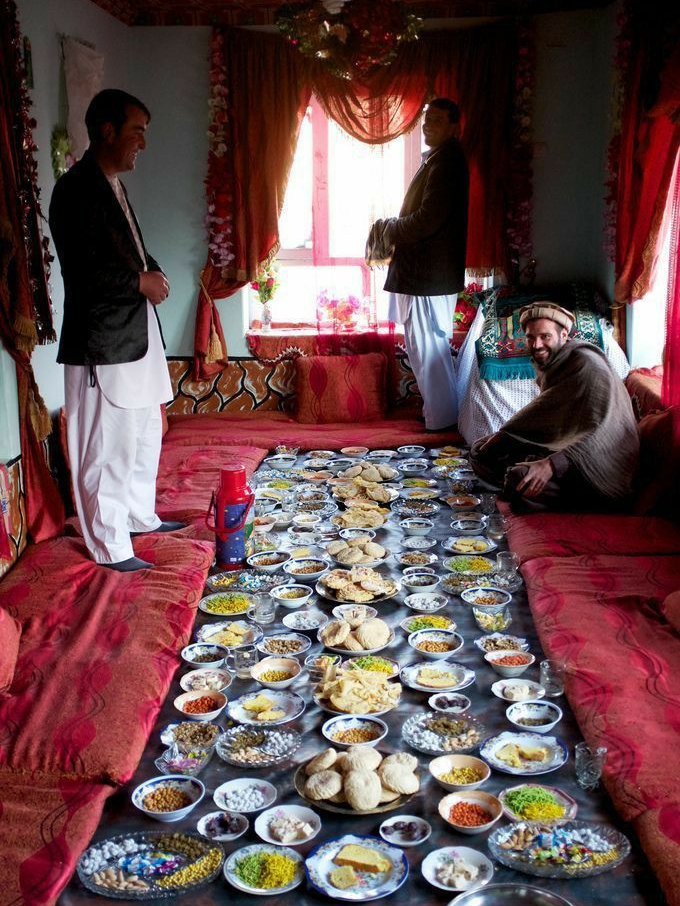
Among the many virtues of Pashtoon culture, melmastia — the tradition of hospitality — shines as one of its most cherished and respected values. For the Pashtoons, offering a warm welcome to guests is not merely a social custom but a moral duty deeply rooted in Pashtunwali, the ancient code of life. Regardless of a guest’s background, status, or even prior relations, they are treated with the utmost honor, kindness, and generosity.
Hospitality is seen as a sacred responsibility; food, shelter, and safety are offered freely, often with the best provisions in the household, even if it means personal sacrifice. A guest is considered a gift from God, and serving them reflects not only personal character but also the pride and dignity of the host’s family.
In Pashtoon homes, the doors are always open, and the tea is always warm. Conversations are filled with respect, and the comfort of the guest is placed above all else. Melmastia is more than an act of kindness — it is a living testament to the Pashtoons’ deep sense of honor, humanity, and unwavering commitment to preserving their age-old traditions.
Jirga System ⚖️
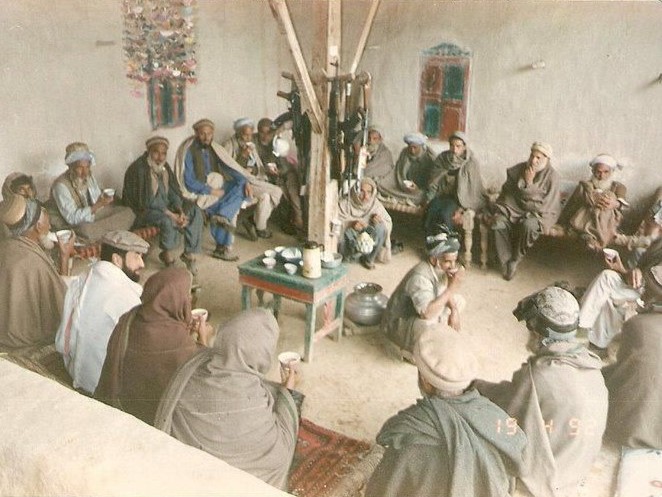
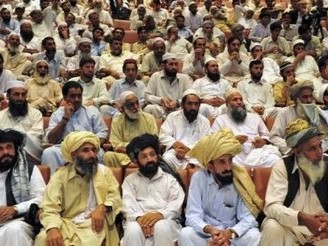
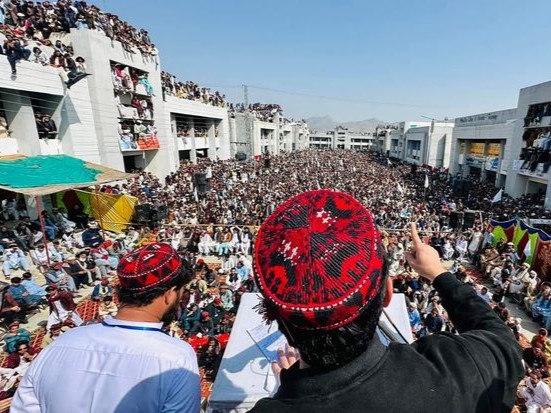
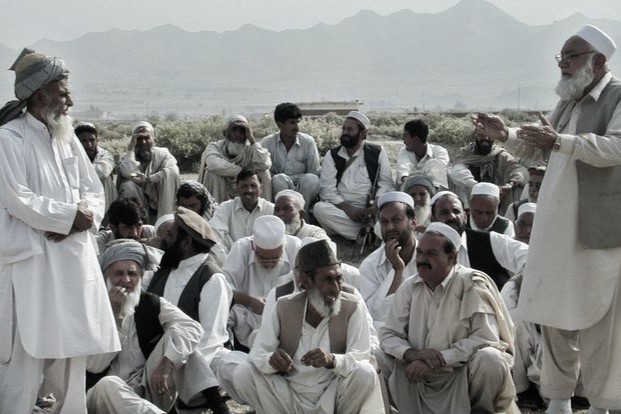
The Jirga is the heart of Pashtoon society — an age-old council where wisdom, justice, and unity come together. Rooted in Pashtunwali, the traditional code of conduct, the Jirga serves as a platform for collective decision-making and peaceful conflict resolution. It is not just a legal institution, but a symbol of community solidarity and respect for elders’ guidance.
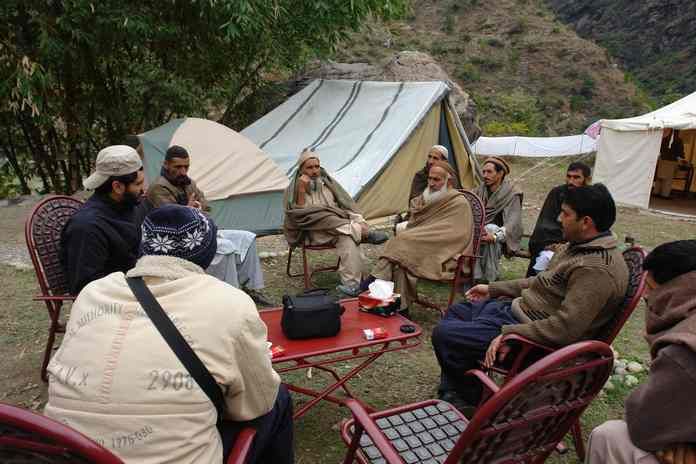
In a Jirga, respected elders and influential members of the tribe gather, sitting side by side, to discuss matters openly. Every voice is heard, and decisions are reached through consensus rather than force. The aim is not to punish but to restore harmony, ensuring that relationships are mended and trust is rebuilt.
The Jirga embodies the Pashtoon belief that justice should be swift, fair, and free from bias. It requires no elaborate courts or written laws — instead, it relies on honesty, honor, and the shared values of the community. Even in the modern world, the Jirga remains a living testament to the Pashtuns’ deep respect for tradition, unity, and the power of collective wisdom.
Pashtunwali – The Code of Life 📜
- Melmastia – Hospitality
- Badal – Revenge & Justice
- Nanawatai – Asylum/Sanctuary
- Nang – Honor
- Tor – Protection of Women
Music & Dance 🎵
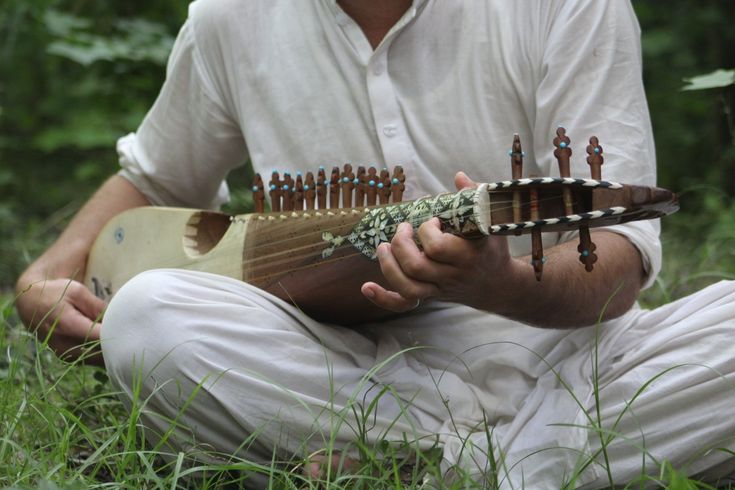
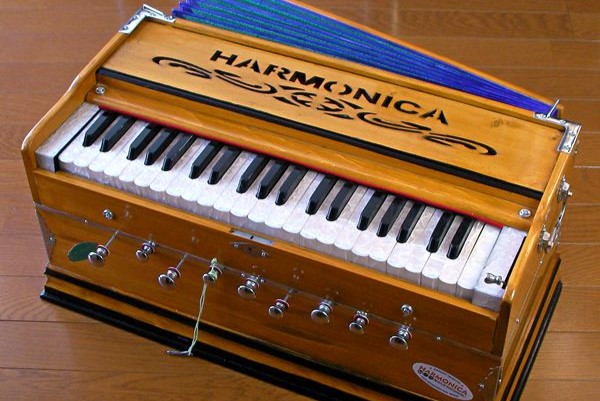
The traditional dance Attan is widely performed. Instruments like Rabab, Mangey, and Harmonium are central to Pashtoon music.
Poetry 📖
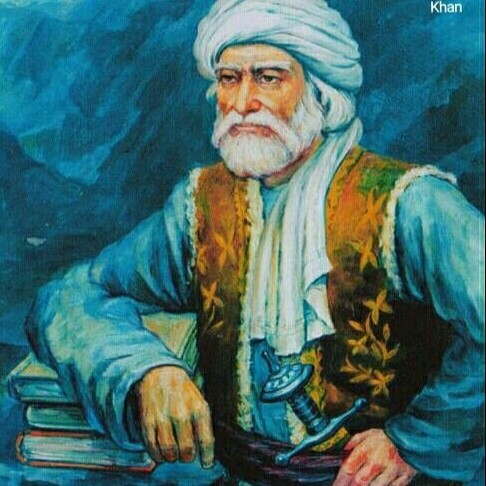
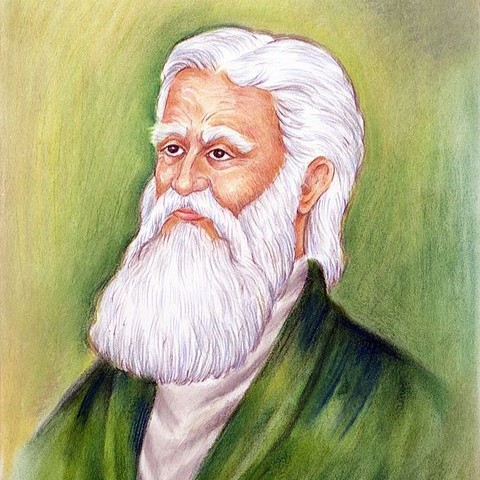
Pashto poetry is the voice of the Pashtoon soul — deep, passionate, and timeless. Rooted in themes of love, honor, bravery, and the beauty of nature, it carries the wisdom of centuries. From the delicate verses of romance to the powerful lines of resistance, Pashto poets have used their words to inspire hearts and preserve traditions. Poets like Rehman Baba, Khushal Khan Khattak and Ghani Khan painted vivid pictures with words, blending philosophy with emotion. In every couplet, Pashto poetry reflects the pride, resilience, and grace of its people, keeping their heritage alive for generations.
Food 🍛
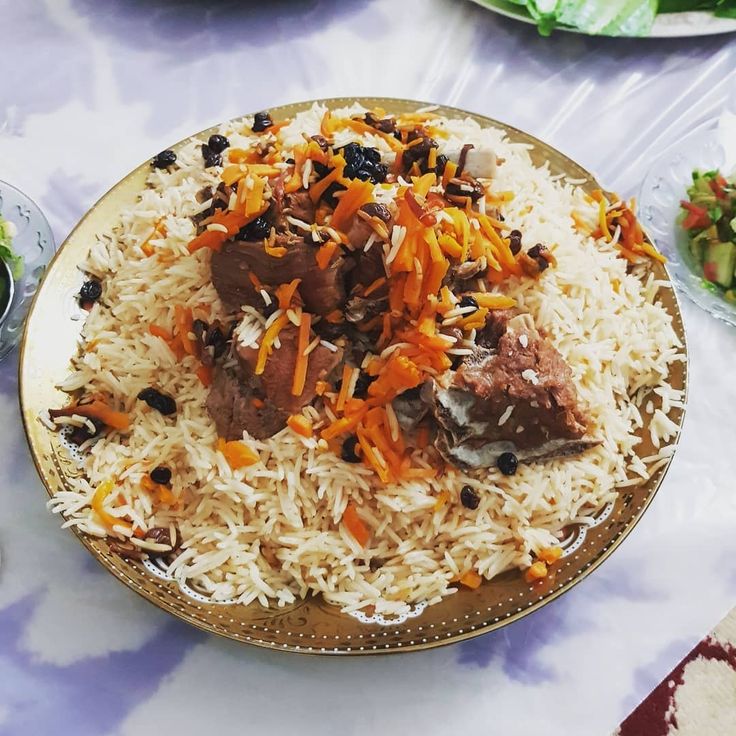
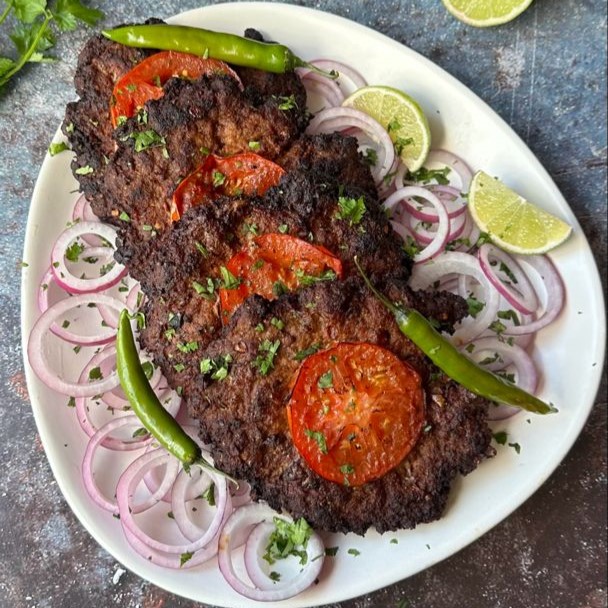
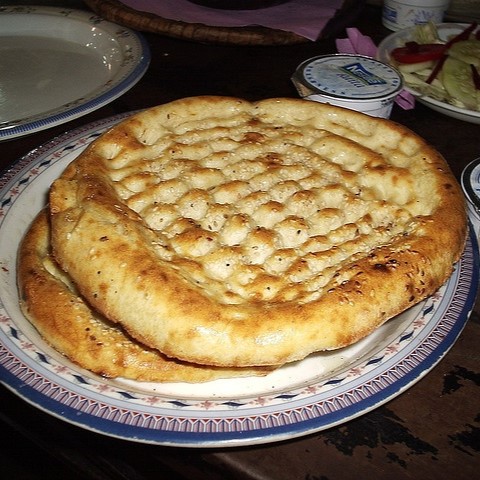
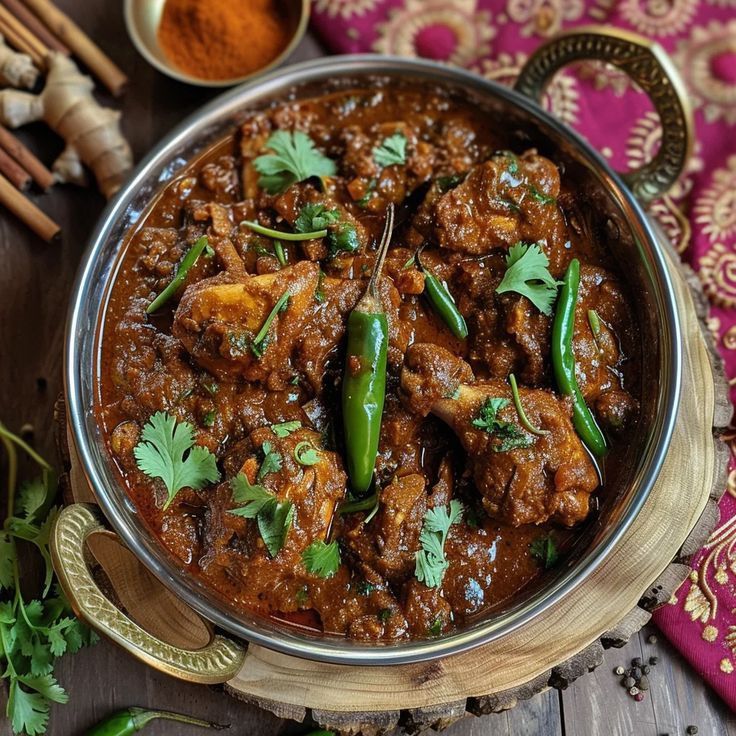
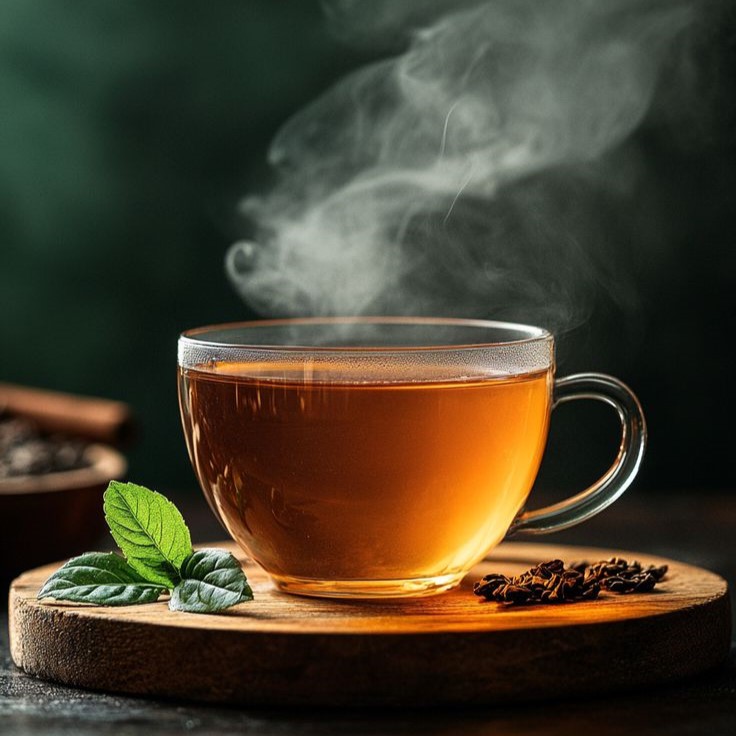
Pashtoon cuisine includes Kabuli Pulao, Chapli Kebab, Roghani Naan, Shinwari Karahi, and Qehwa (green tea). These foods are famous for their rich taste and aroma.
Marriage Customs 💍
Pashtoon marriages are mostly arranged. Marriage customs are a vibrant blend of tradition, family honor, and joyful celebration. Weddings are not just a union of two individuals but a bond between families. The ceremonies are filled with colorful attire, traditional music (attān), and lavish feasts. Elders play a key role in arranging matches, often through mutual respect and community ties. Festivities can last several days, with rituals like nikah (marriage contract) and walima (reception) marking the union. Every moment reflects Pashtun values of honor, respect, and togetherness.
Tribes & Lineage 🏞️
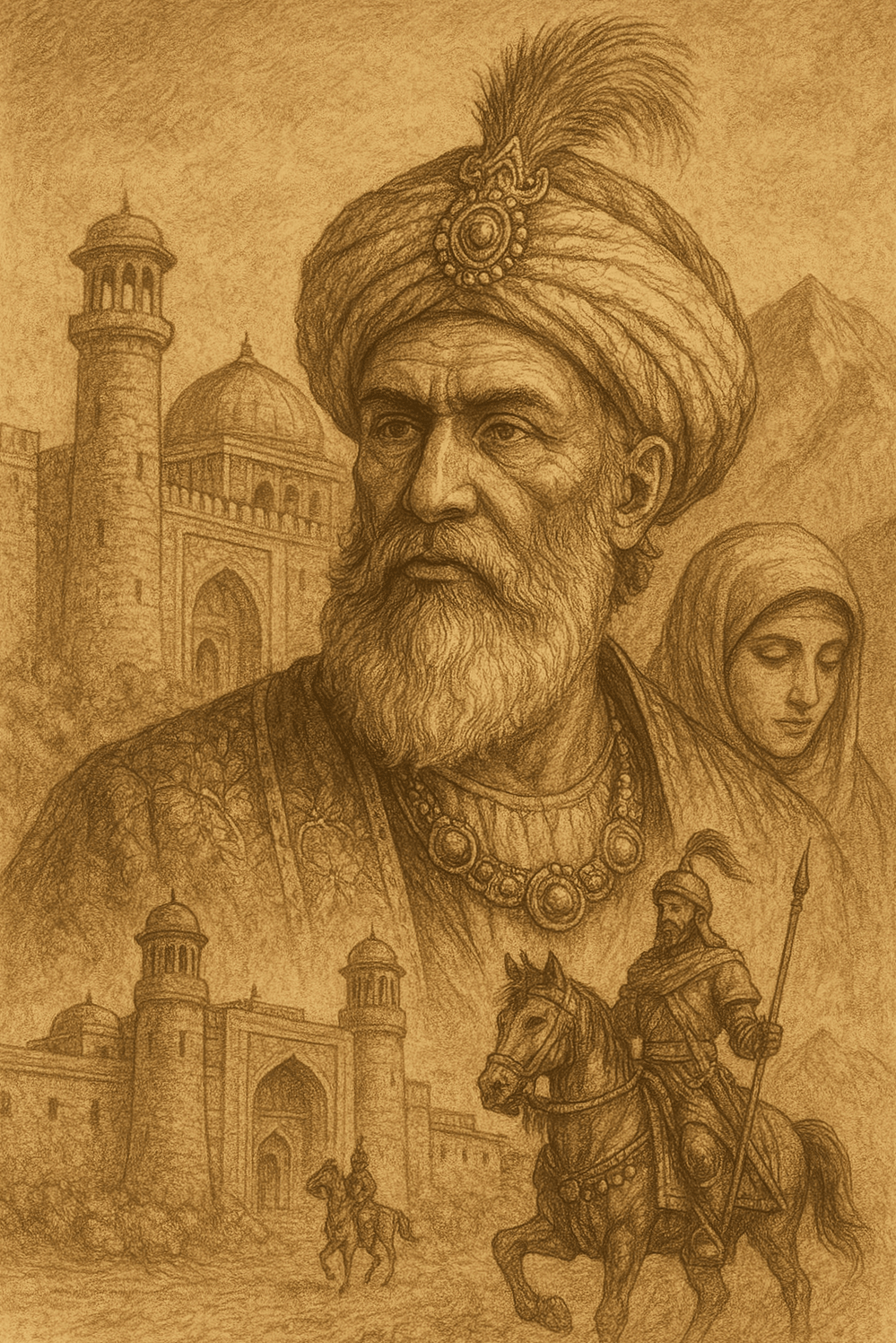
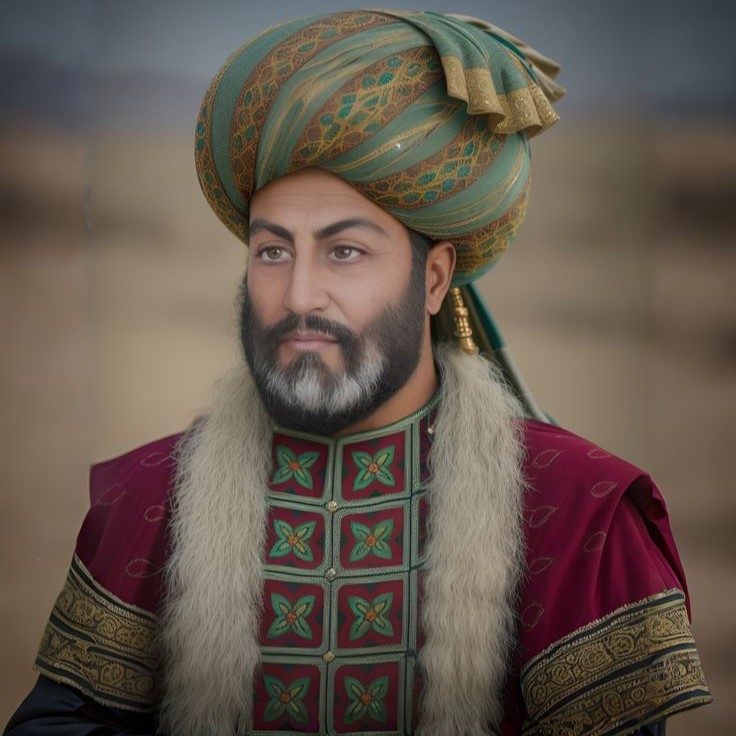
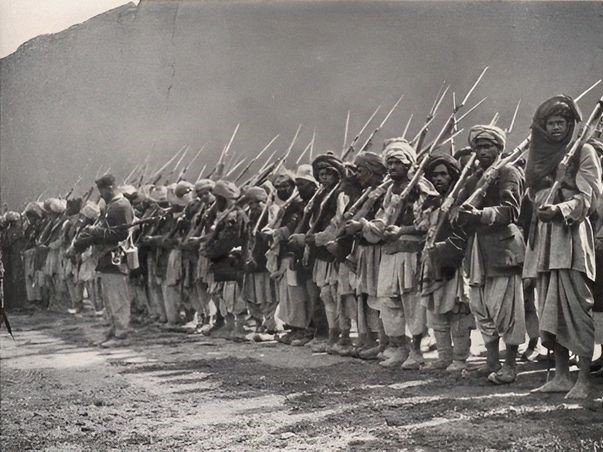
Pashtoon tribes are bound by a proud and ancient lineage that traces its roots through centuries of history. Organized into large tribal confederations such as the Mohmand, Kakar, Wazir, Shenwari, Bangash, Yousafzai, Hassan khel, Durrani Ghilzai and many more, and further divided into clans and sub-clans, each Pashtoon carries a deep sense of belonging to their ancestral line. Genealogy is preserved with great care, often passed down orally from generation to generation, strengthening identity and unity. This tribal system is more than a social structure—it is a living heritage, where honor, loyalty, and mutual support form the foundation of life. For Pashtoons, their lineage is a badge of pride, linking them to the courage, wisdom, and resilience of their forefathers.
Architecture & Handicrafts 🏡
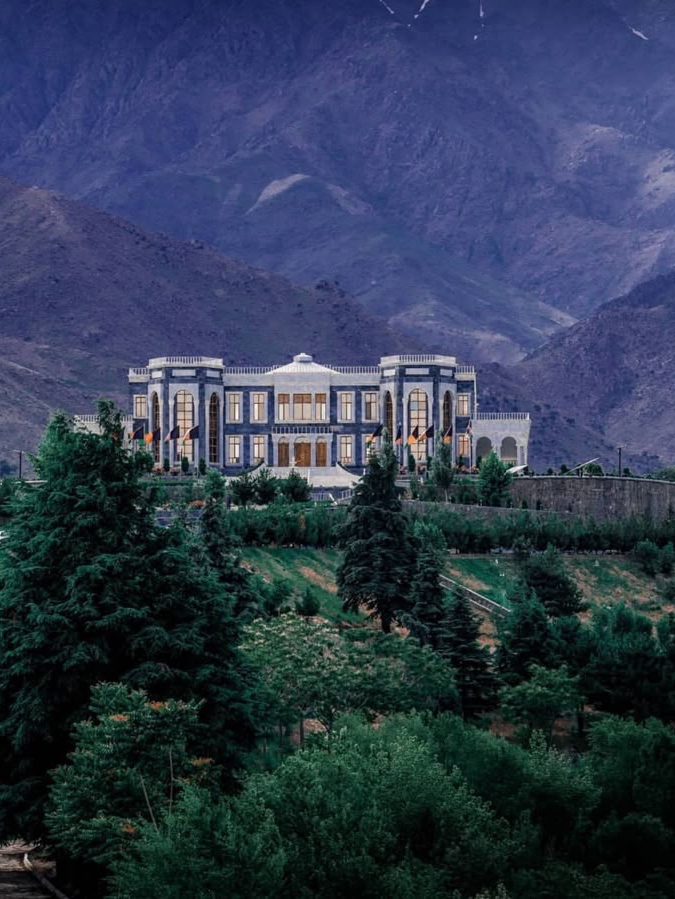
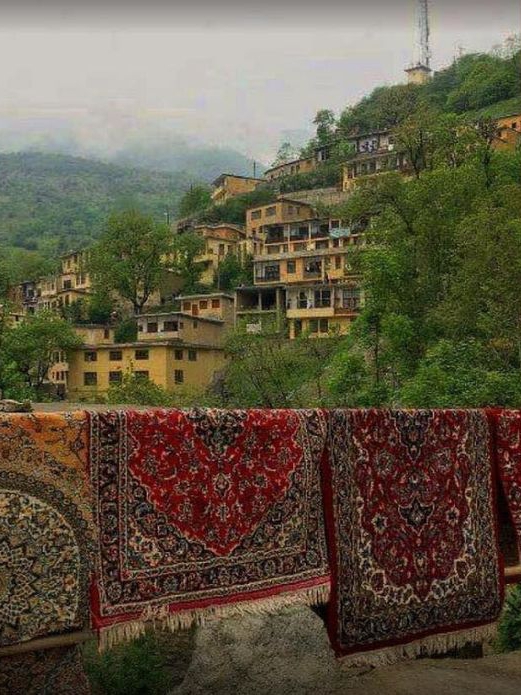
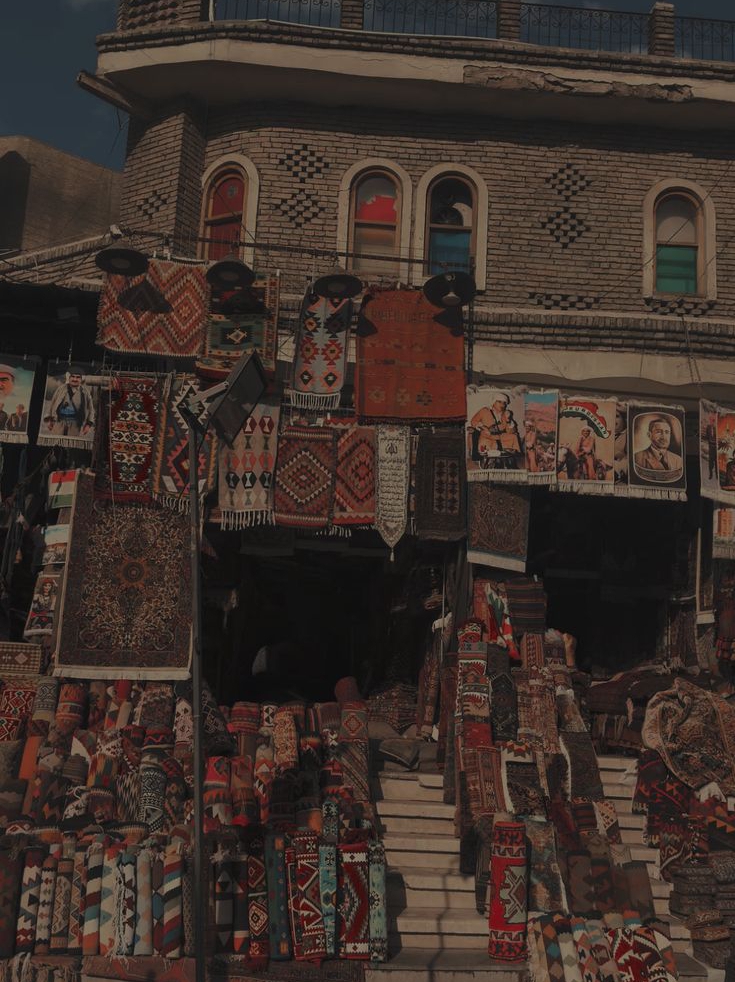
Pashtoon architecture reflects a harmonious blend of strength, simplicity, and cultural beauty. Traditional homes, often made from mud-brick or stone, are designed to endure the harsh climate while offering warmth and comfort. Fort-like structures with high walls symbolize security, while intricate wooden doors, carved balconies, and decorative latticework reveal the artistic soul of the Pashtoon people.
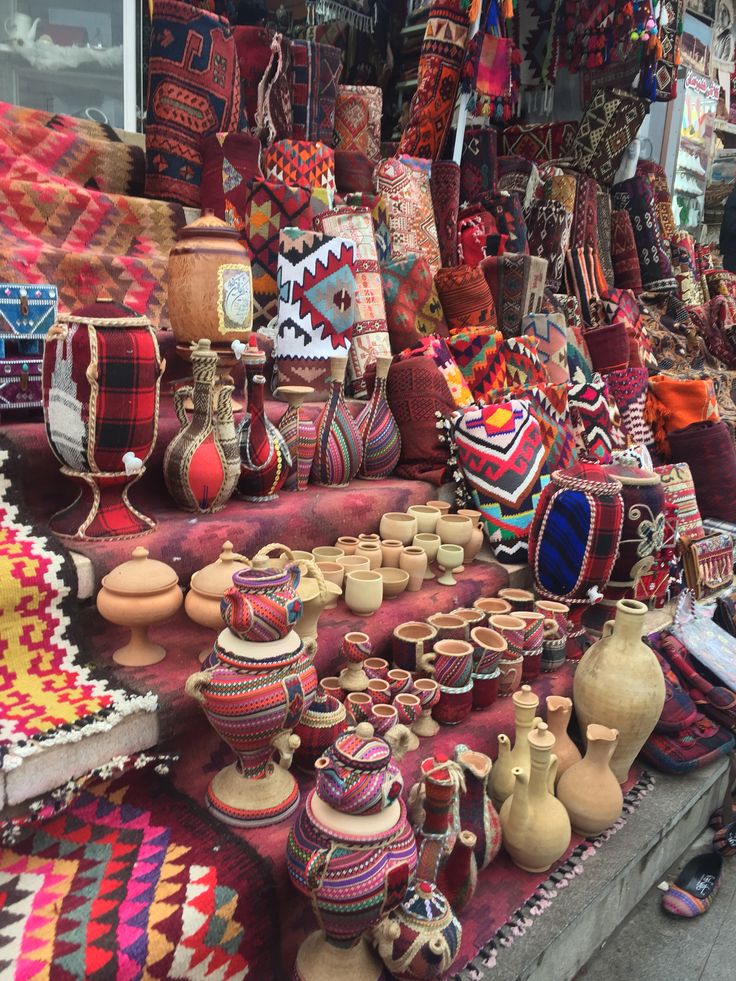
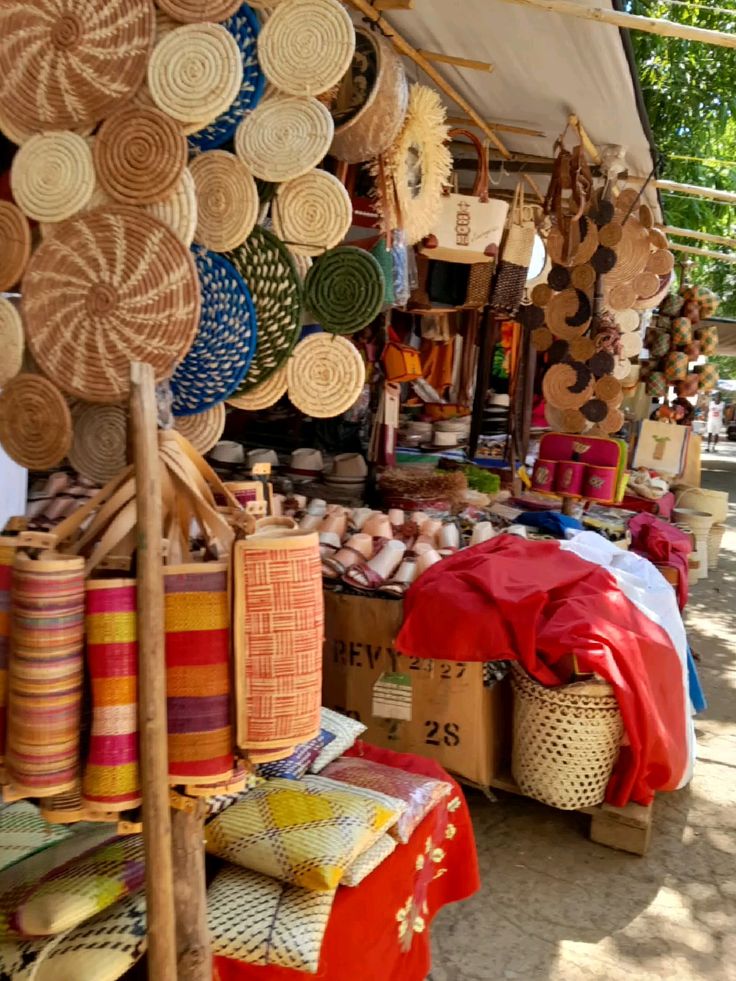
Handcrafts are equally rich in tradition—vibrant embroidery, handwoven carpets, pottery, and ornate jewelry all tell stories of heritage and skill. Each piece is crafted with patience and pride, often carrying patterns and motifs passed down through generations. Together, Pashtoon architecture and handcrafts stand as living monuments of their history, creativity, and enduring craftsmanship.